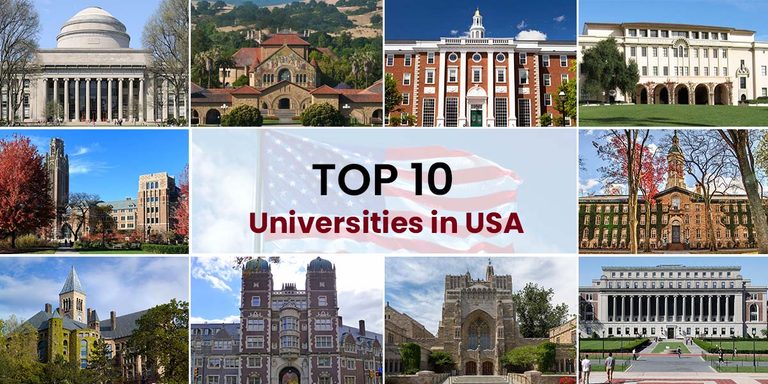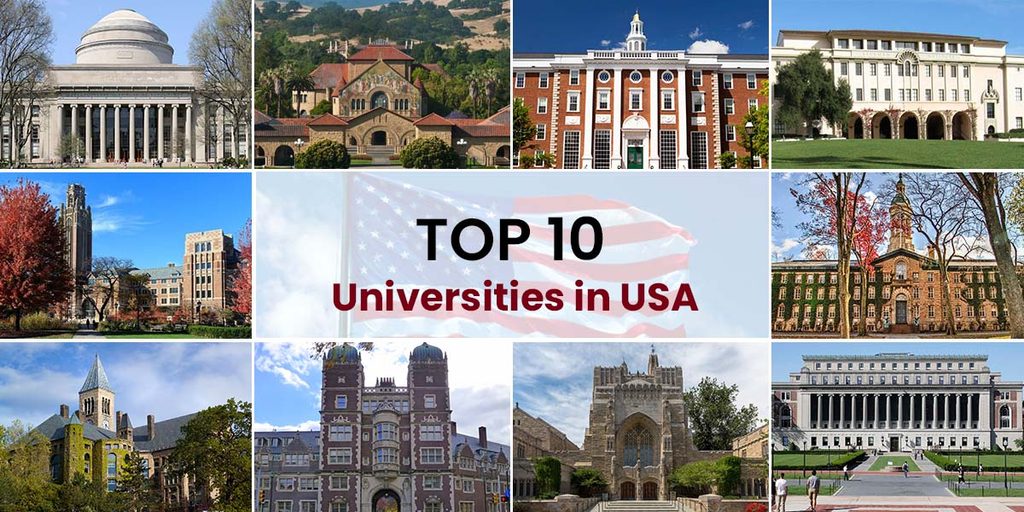
Introduction
The United States is home to some of the world’s most respected universities, offering students access to high-quality education, advanced research facilities, experienced faculty members, and diverse campus communities. Among these institutions, public universities hold a special place because they combine academic excellence with a mission to serve the public through education, research, innovation, and community development.
Public universities are generally supported in part by state governments and often offer lower tuition fees to students who are residents of their respective states. Many also welcome students from across the United States and around the world, providing opportunities to study in a multicultural environment while pursuing degrees in business, engineering, medicine, computer science, social sciences, humanities, and many other disciplines.
Some public universities in the United States are internationally recognized for their academic reputation, research contributions, graduate employability, and extensive alumni networks. Institutions such as the University of California, Berkeley; the University of Michigan, Ann Arbor; the University of California, Los Angeles; and the University of Virginia attract talented students from different countries every year.
Choosing the right university, however, requires more than looking at rankings. Students should consider their intended major, tuition costs, scholarship opportunities, admission requirements, campus environment, internship opportunities, and career goals.
This article explores ten prominent public universities in the USA, highlighting their academic strengths, campus experiences, research opportunities, and potential advantages for domestic and international students. The list is a practical overview rather than a definitive ranking, because university rankings vary by publication, year, and evaluation criteria.
1. University of California, Berkeley
Location: Berkeley, California
Type: Public research university
Established: 1868
The University of California, Berkeley, commonly known as UC Berkeley, is one of the most internationally recognized public universities in the United States. Located in the San Francisco Bay Area, the university is known for its strong academic culture, influential research, entrepreneurial environment, and commitment to addressing complex global challenges.
Berkeley has developed a reputation for academic excellence across science, engineering, economics, mathematics, computer science, social sciences, and the humanities. Its location near major technology companies, startups, research laboratories, and financial institutions gives students access to a wide range of professional and research opportunities.
Academic programs and specializations
UC Berkeley offers undergraduate and graduate programs across numerous disciplines. Some of its particularly well-known areas include:
- Computer science and artificial intelligence
- Electrical engineering and computer engineering
- Business and economics
- Mathematics and statistics
- Chemistry and biological sciences
- Environmental science and public policy
- Political science and social sciences
The university’s engineering and computing programs attract students interested in software development, data science, robotics, semiconductor technology, and emerging technological fields. Berkeley is also known for its Haas School of Business, which offers business education with an emphasis on leadership, innovation, and entrepreneurship.
Research and innovation
Research is central to Berkeley’s identity. Students may have opportunities to participate in faculty-led projects, interdisciplinary research centers, scientific experiments, and technology-development initiatives.
The surrounding Bay Area offers exposure to Silicon Valley’s technology ecosystem, although internships and employment are competitive and not guaranteed. Students interested in entrepreneurship may also benefit from the region’s network of founders, investors, engineers, and research professionals.
Campus life
Berkeley offers an energetic campus environment characterized by student organizations, cultural events, academic discussions, sports, and community activities. Its location provides access to San Francisco, Oakland, public transportation, and a variety of cultural and recreational experiences.
The university’s academic atmosphere can be demanding, so students should be prepared for independent study, challenging coursework, and competition for certain majors and opportunities.
Why choose UC Berkeley?
UC Berkeley may be especially attractive to students who want a rigorous academic experience, strong research opportunities, and proximity to a major technology and innovation hub. Prospective students should also consider California’s relatively high living expenses and the university’s competitive admissions process.
2. University of California, Los Angeles
Location: Los Angeles, California
Type: Public research university
Established: 1919
The University of California, Los Angeles, widely known as UCLA, is a major public research university recognized for its academic programs, vibrant student community, research activity, and broad range of extracurricular opportunities.
Situated in the Westwood neighborhood of Los Angeles, UCLA combines a traditional university campus with access to one of the largest metropolitan areas in the United States. Students can explore opportunities in entertainment, healthcare, business, technology, public service, and scientific research.
Academic excellence
UCLA offers programs in a wide range of disciplines, including:
- Biology and life sciences
- Engineering and computer science
- Business economics and management-related fields
- Film, television, and media studies
- Psychology and social sciences
- Political science and international relations
- Public health and related research fields
Its film and television programs are particularly appealing to students interested in creative industries, while its science, engineering, and health-related departments attract students interested in research and professional careers.
Research and career opportunities
UCLA is a major center for scientific and medical research. Students may find opportunities to work in laboratories, participate in faculty research, or contribute to projects in public health, biotechnology, climate science, computing, and other fields.
Its location in Los Angeles provides access to entertainment companies, technology firms, hospitals, research institutions, nonprofit organizations, and businesses across a broad range of industries. Students should plan early for internships, since opportunities vary by discipline and experience.
Student life and campus culture
UCLA is known for an active campus community, a wide selection of student clubs, cultural organizations, recreational facilities, and NCAA Division I athletics. The university’s traditions and sporting events contribute to a strong sense of campus identity.
Los Angeles also offers beaches, museums, restaurants, arts venues, and professional networking opportunities. At the same time, housing, transportation, and everyday expenses can be substantial.
Why choose UCLA?
UCLA is a compelling option for students seeking a broad academic experience in a large metropolitan setting. It is especially worth considering for those interested in life sciences, media, engineering, public health, and careers connected to Southern California’s diverse economy.
3. University of Michigan, Ann Arbor
Location: Ann Arbor, Michigan
Type: Public research university
Established: 1817
The University of Michigan, Ann Arbor, is a leading public research institution with a long history of academic achievement, scientific discovery, professional education, and public service. Founded in 1817, it is one of the oldest universities in the United States to have been established in its current state.
The university combines a comprehensive academic structure with a large research enterprise, allowing students to explore many disciplines within one institution. It is particularly recognized for engineering, business, medicine, law, public policy, and the social sciences.
Academic programs
The University of Michigan offers extensive undergraduate and graduate opportunities in fields such as:
- Engineering and computer science
- Business administration and finance
- Medicine and public health
- Economics and political science
- Psychology and sociology
- Mechanical and automotive engineering
- Information science and data analytics
The College of Engineering attracts students interested in robotics, mobility, manufacturing, energy systems, and advanced computing. The Ross School of Business is another prominent part of the university, particularly for students interested in management, entrepreneurship, and consulting.
Research and industry connections
Michigan has a broad research portfolio spanning healthcare, engineering, artificial intelligence, sustainability, transportation, and social sciences. Its research hospitals and laboratories provide an environment for interdisciplinary work.
The university’s location in Michigan also creates connections with the automotive and mobility sectors, including research involving electric vehicles, autonomous systems, manufacturing, and transportation technology. Graduates pursue careers across the United States and internationally.
Campus environment
Ann Arbor is a university-centered city with a lively downtown, restaurants, libraries, cultural venues, and recreational activities. The campus community includes students from many backgrounds, and university athletics—especially American football—play an important role in local traditions.
Students should be prepared for cold winters and seasonal snowfall. Ann Arbor can also have significant housing expenses relative to some other Midwestern cities.
Why choose the University of Michigan?
This university may suit students looking for a comprehensive research institution with a wide selection of academic programs, extensive alumni connections, and strong professional pathways. It is worth particular consideration for engineering, business, healthcare, and interdisciplinary research.
4. University of North Carolina at Chapel Hill
Location: Chapel Hill, North Carolina
Type: Public research university
Established: 1789
The University of North Carolina at Chapel Hill, commonly called UNC-Chapel Hill or simply UNC, is one of the oldest public universities in the United States. It is recognized for its academic tradition, research programs, healthcare-related education, and commitment to public service.
UNC combines a broad liberal arts education with professional and research opportunities. It appeals to students seeking a university experience that balances classroom learning, campus engagement, and access to a growing regional economy.
Academic strengths
UNC offers a wide range of programs, including:
- Business administration
- Biology and public health
- Journalism and media studies
- Political science and public policy
- Psychology and sociology
- Chemistry and other natural sciences
- Economics and statistics
The university’s journalism and media programs are well known, while its public health and healthcare-related research activities make it an important destination for students interested in health policy, epidemiology, and population health.
Research and professional development
UNC supports research in areas such as biomedical science, public health, environmental studies, data science, and social policy. Students may be able to participate in research projects, internships, and faculty mentorship programs, depending on their academic department and qualifications.
The university is part of North Carolina’s Research Triangle region, which includes the Raleigh-Durham area and a substantial concentration of technology companies, life-science organizations, universities, and research institutions.
Campus life
Chapel Hill offers a college-town atmosphere, with restaurants, independent businesses, student activities, cultural events, and sports traditions. The campus is known for its community spirit and the strong connection between students and university athletics.
The area can offer a balance between a relatively compact university environment and access to the broader opportunities of the Research Triangle.
Why choose UNC-Chapel Hill?
UNC is worth considering for students who value a strong liberal arts foundation, research opportunities, public health, journalism, business, or social sciences. Its location also appeals to students interested in the growing technology and life-sciences sectors of North Carolina.
5. University of Virginia
Location: Charlottesville, Virginia
Type: Public research university
Established: 1819
The University of Virginia, often referred to as UVA, was founded by Thomas Jefferson in 1819. It is recognized for its historic campus, academic programs, student-led traditions, and combination of undergraduate education and advanced research.
UVA has a distinctive institutional identity shaped by its architectural heritage and its emphasis on intellectual engagement, leadership, and civic responsibility. Its academic offerings span liberal arts, engineering, commerce, architecture, law, medicine, and other professional fields.
Academic programs
Important areas of study include:
- Business and commerce
- Economics and finance
- Computer science and engineering
- Government and political science
- English and history
- Public policy
- Biomedical and health sciences
The McIntire School of Commerce is a notable option for students interested in business education. UVA also attracts students interested in public affairs, law-related careers, technology, and interdisciplinary study.
Research and learning
UVA supports research across engineering, medicine, data science, humanities, environmental studies, and public policy. Students can explore faculty research, independent projects, and professional development opportunities through their respective schools and departments.
Its alumni network includes graduates working in business, government, consulting, law, education, technology, and nonprofit organizations. Networking and career outcomes depend on individual experience, academic preparation, and professional engagement.
Campus culture
Charlottesville offers a smaller-city environment with historic sites, outdoor recreation, restaurants, and cultural activities. UVA’s campus architecture is a major part of its identity, and its student traditions help create a strong community atmosphere.
The university’s collegiate environment may appeal to students who want access to academic resources without attending a university in the center of a very large metropolitan area.
Why choose UVA?
UVA is an option for students interested in business, government, engineering, liberal arts, and a campus culture rooted in long-standing traditions. Prospective applicants should explore the curriculum, campus environment, and financial aid options to determine whether it matches their needs.Writing
6. University of California, San Diego
Location: La Jolla, San Diego, California
Type: Public research university
Established: 1960
The University of California, San Diego, commonly known as UC San Diego or UCSD, is a major public research university recognized for its scientific achievements, engineering programs, medical research, and strong connections to the biotechnology and technology industries.
Located near the Pacific Ocean in La Jolla, the university offers an appealing combination of rigorous academics, research-oriented learning, and access to Southern California’s innovation economy. Its academic environment is particularly attractive to students interested in scientific discovery, technology development, and interdisciplinary research.
Academic programs
UC San Diego offers programs across numerous fields, with notable strengths in:
- Computer science and computer engineering
- Electrical and mechanical engineering
- Biology and biomedical sciences
- Neuroscience and cognitive science
- Data science and mathematics
- Oceanography and marine biology
- Economics and international relations
The university is particularly appealing to students interested in biotechnology, bioinformatics, artificial intelligence, neuroscience, and computational research. Its proximity to research laboratories, biotechnology companies, and healthcare organizations creates opportunities for academic collaboration and career exploration.
Research opportunities
Research is a defining feature of UC San Diego. Its faculty and research centers work on subjects such as climate change, marine ecosystems, advanced computing, disease prevention, genetics, robotics, and renewable energy.
Students may be able to join research laboratories, pursue independent projects, or collaborate with faculty members. Opportunities depend on the department, academic preparation, available funding, and the number of positions offered.
The university is also connected to the broader San Diego research community, which includes biotechnology firms, medical institutions, and technology companies.
Campus and lifestyle
UC San Diego’s coastal location provides access to beaches, outdoor recreation, and San Diego’s cultural attractions. The university has a distinctive college-based residential structure, with different undergraduate colleges offering their own general education requirements and campus communities.
San Diego generally has a mild climate, although housing and other living expenses can be high. Students should also compare the general education requirements of the undergraduate colleges when evaluating their options.
Why choose UC San Diego?
UC San Diego is worth considering for students who prioritize research, science, engineering, healthcare, and technology. It is particularly relevant to those interested in biotechnology, computational biology, ocean sciences, and other research-intensive fields.
7. University of Florida
Location: Gainesville, Florida
Type: Public research university
Established: 1853
The University of Florida, commonly known as UF, is a prominent public research university offering a broad range of academic programs, professional pathways, research facilities, and student activities. Located in Gainesville, it attracts students from Florida, other parts of the United States, and international destinations.
UF is recognized for its breadth of academic offerings, including engineering, agriculture, business, biological sciences, journalism, education, and health-related disciplines. Its combination of academic resources and a large campus community makes it an important option for students comparing public universities across the country.
Academic strengths
The university offers programs in areas such as:
- Computer science and engineering
- Business administration and finance
- Agricultural and life sciences
- Biology and chemistry
- Pharmacy and health sciences
- Journalism and communications
- Education and social sciences
Its agricultural and life sciences programs reflect the historic importance of agriculture and environmental research in Florida. The university also offers opportunities in computing, advanced manufacturing, healthcare, and business.
Research and innovation
UF conducts research in areas including artificial intelligence, agriculture, biotechnology, environmental sustainability, materials science, and medicine. Its research facilities support projects that connect scientific discovery with practical applications.
Students interested in undergraduate research can explore faculty projects, laboratory placements, academic honors programs, and research-focused learning opportunities. These experiences can help students build analytical skills and prepare for graduate education or professional employment.
Student experience
Gainesville is a college-oriented city with a substantial student population, campus recreation, restaurants, cultural events, and outdoor activities. The university’s athletics programs are an important part of campus life, especially American football and basketball.
Compared with some major coastal cities, Gainesville may offer a different cost-of-living profile, although students should assess current rental prices, transportation needs, and individual living arrangements before making a budget.
Why choose the University of Florida?
UF is a strong candidate for students seeking a large public university with diverse academic options and extensive research activity. It deserves particular consideration for agriculture, life sciences, engineering, business, and health-related fields.
8. University of Texas at Austin
Location: Austin, Texas
Type: Public research university
Established: 1883
The University of Texas at Austin, often called UT Austin, is one of the major public research universities in the United States. It is widely recognized for engineering, computer science, business, natural sciences, communications, and a broad range of academic programs.
Located in Austin, the university benefits from being part of a metropolitan area associated with technology companies, startup businesses, music, creative industries, and a growing professional economy.
Academic programs
UT Austin offers a wide variety of undergraduate and graduate programs, including:
- Computer science and artificial intelligence
- Electrical, mechanical, and aerospace engineering
- Business administration and accounting
- Petroleum and energy-related engineering
- Natural sciences and mathematics
- Communication and media studies
- Government, economics, and public affairs
The Cockrell School of Engineering is a major destination for engineering students, while the McCombs School of Business attracts students interested in finance, consulting, entrepreneurship, and management.
The university also offers strong options in natural sciences and computing, making it relevant to students interested in research and technology-oriented careers.
Technology and career opportunities
Austin’s business environment includes employers and startups working in software, semiconductors, cloud computing, clean energy, and other technology-related sectors. This creates opportunities for networking, internships, and career exploration.
UT Austin also supports research in artificial intelligence, advanced materials, energy, robotics, public policy, and biomedical sciences. Students can investigate research opportunities through academic departments and university laboratories.
However, access to internships and jobs depends on eligibility, qualifications, market conditions, and employer requirements. International students should review employment authorization rules before making plans based on internships or post-study work.
Campus life
Austin offers a lively urban environment with music venues, restaurants, outdoor recreation, festivals, and a strong student culture. The university’s sports traditions, particularly college football, contribute to campus identity.
The city has experienced substantial growth, and housing costs have increased over time. Students should evaluate accommodation expenses, transportation, and the distance between their housing and academic facilities.
Why choose UT Austin?
UT Austin is especially worth considering for students interested in engineering, computer science, business, energy, and technology entrepreneurship. Its location provides access to a growing professional ecosystem, while the university’s extensive academic structure allows students to explore a variety of disciplines.
9. University of Wisconsin–Madison
Location: Madison, Wisconsin
Type: Public research university
Established: 1848
The University of Wisconsin–Madison is a major public research institution with a long academic tradition and a broad portfolio of scientific, professional, and liberal arts programs. Located in Madison, the state capital of Wisconsin, the university combines a research-focused academic environment with a strong campus community.
The university is widely associated with research, public service, agriculture, engineering, biological sciences, economics, and education. Its comprehensive academic structure provides students with opportunities to study both specialized subjects and interdisciplinary topics.
Academic programs
Notable areas of study include:
- Computer science and information technology
- Mechanical, electrical, and chemical engineering
- Biology and biochemistry
- Chemistry and physics
- Economics and political science
- Business and accounting
- Agriculture and environmental sciences
Its engineering and science programs are relevant to students pursuing research or technical careers, while its business and economics programs appeal to those interested in corporate management, consulting, finance, and public policy.
Research and academic development
UW–Madison has a substantial research enterprise involving faculty members, laboratories, research institutes, and collaborative projects. Its research covers biotechnology, agriculture, climate science, energy, materials science, public health, and computing.
Students may find opportunities to work on research projects, develop technical skills, and collaborate with professors. These experiences can be valuable for students planning to pursue master’s degrees, doctoral programs, or research-oriented employment.
The university’s location in the state capital also creates opportunities to explore government, public administration, policy research, and community engagement.
Campus life and location
Madison is known for its university-centered atmosphere, lakes, parks, cycling routes, cultural events, and student activities. The campus is integrated with the city, giving students access to restaurants, public spaces, libraries, and community organizations.
Winters can be very cold, with snow and freezing temperatures. International students and students from warmer climates should consider seasonal clothing, winter transportation, and personal comfort when evaluating the university.
Why choose UW–Madison?
UW–Madison is an attractive option for students who value a comprehensive research university with strong scientific and professional programs. It is particularly worth considering for engineering, computing, agriculture, environmental science, biological sciences, and economics.
10. University of Illinois Urbana-Champaign
Location: Urbana and Champaign, Illinois
Type: Public research university
Established: 1867
The University of Illinois Urbana-Champaign, commonly abbreviated as UIUC, is a prominent public research university known for engineering, computer science, mathematics, business, agriculture, and scientific research.
The university has an established reputation in technology-related disciplines and attracts students interested in developing expertise in computing, electronics, advanced manufacturing, data analysis, and other technical fields. Its extensive research facilities and academic departments support a wide range of educational and professional goals.
Academic programs
UIUC offers programs in fields including:
- Computer science and software engineering
- Electrical and computer engineering
- Mechanical and aerospace engineering
- Mathematics and statistics
- Information sciences and data science
- Business administration and finance
- Agriculture and environmental sciences
Its Grainger College of Engineering is especially relevant to students pursuing technical careers, while the Gies College of Business offers options for students interested in accounting, finance, management, and entrepreneurship.
The university is also known for research and teaching in computing, materials science, physics, and related scientific disciplines.
Research and technology
UIUC supports research in artificial intelligence, computer systems, cybersecurity, robotics, semiconductor technology, sustainable energy, and advanced materials. Its faculty and research centers contribute to technological development across many industries.
Undergraduate students may be able to participate in research programs, laboratory projects, internships, and academic competitions. These opportunities can help them develop practical skills and build professional connections before graduation.
The university’s technical strengths make it particularly relevant for students considering graduate study in computer science, engineering, mathematics, and related disciplines.
Student life
The Urbana-Champaign area has a distinctive college-town atmosphere, with a large student population, campus events, restaurants, recreational facilities, and student organizations. The university offers opportunities to join academic clubs, cultural associations, sports groups, and professional societies.
The region generally has a different cost and lifestyle profile from major coastal cities, although actual expenses vary by housing type, personal spending, and transportation requirements.
Students should prepare for cold Midwestern winters and compare their preferred accommodation options before enrolling.
Why choose UIUC?
UIUC is a particularly relevant option for students interested in engineering, computer science, mathematics, information sciences, and technology-focused research. It is also worth considering for business, agriculture, and other disciplines offered by its comprehensive academic structure.Writing
How to Choose the Right Public University in the USA
Although all ten universities discussed above offer valuable educational opportunities, the best choice depends on a student’s academic interests, financial circumstances, preferred location, and long-term career plans.
1. Compare universities by academic major
University rankings can provide a starting point, but subject-specific strengths are often more important than an institution’s overall position.
For example, a student interested in computer science might compare UC Berkeley, UIUC, UT Austin, and the University of Michigan. Someone interested in biotechnology and biomedical research might investigate UC San Diego and UCLA. Students interested in business could compare Michigan’s Ross School of Business, UC Berkeley’s Haas School of Business, UVA’s McIntire School of Commerce, and UT Austin’s McCombs School of Business.
Applicants should examine the actual degree curriculum, available electives, faculty research, internship opportunities, and admission requirements for their intended major.
2. Consider tuition fees and the total cost of attendance
One of the main advantages of public universities is that they receive public funding. However, this does not automatically mean that every public university is inexpensive.
Tuition generally differs between in-state students, out-of-state students, and international students. Many international applicants pay nonresident tuition, which can be considerably higher than the amount paid by state residents.
The total cost of attendance may include:
- Tuition and university fees
- Accommodation and meals
- Books and academic supplies
- Health insurance
- Transportation
- Personal expenses
Students should review the official cost-of-attendance estimates for their intended academic year. They should also investigate scholarships, grants, assistantships for eligible graduate students, and other funding opportunities.
3. Review admission requirements
Admission to highly selective public universities can be competitive. Requirements vary according to the university, degree level, academic department, and applicant category.
Undergraduate applicants generally need to provide academic transcripts, information about their coursework and achievements, and any other materials required by the university. Some institutions or programs may require additional application components.
International applicants may also need to demonstrate English-language proficiency through an accepted examination or another approved method. Requirements differ between institutions, so applicants should consult the official admissions website.
Graduate applicants typically need to meet program-specific academic requirements. Depending on the degree, they may be asked to submit a statement of purpose, recommendation letters, a résumé, a portfolio, research experience, or standardized test scores.
Meeting minimum eligibility requirements does not guarantee admission.
4. Explore scholarships and financial assistance
Financial planning is an essential part of studying in the United States. Students should research scholarships offered by individual universities, academic departments, external foundations, and other legitimate funding organizations.
Some universities provide need-based assistance or merit scholarships to eligible students, but the availability of such funding for international students varies substantially.
Graduate students applying for research-based master’s or doctoral programs should also investigate research assistantships, teaching assistantships, and funded research positions where available.
Applicants should carefully check scholarship eligibility, application deadlines, renewal conditions, and whether an award covers tuition, living expenses, or both.
5. Evaluate campus life and location
A university experience includes more than classes and examinations. Students should consider the surrounding city, campus culture, accommodation, public transportation, climate, student organizations, and access to healthcare.
For example, Berkeley and UCLA offer access to California’s large metropolitan and technology economies. UT Austin provides an urban campus experience in a growing technology center. The University of Michigan and UW–Madison offer university-centered environments in established college towns.
Students should consider whether they prefer a large city, a quieter college town, a coastal climate, or a place with cold winters. These factors can influence everyday comfort, budgeting, and academic success.
6. Investigate internships and career outcomes
Internships, professional networking, research experience, and career services can help students prepare for employment after graduation.
Applicants should examine the career outcomes of graduates in their intended field, rather than relying solely on a university’s overall reputation. They should also ask whether their degree provides access to professional accreditation, licensing pathways, or industry-specific opportunities.
International students should pay particular attention to employment eligibility and visa regulations. Studying at a well-known university does not automatically guarantee an internship, a job, or authorization to work in the United States after graduation.
Public Universities vs. Private Universities in the USA
Public and private universities can both provide excellent education. The differences often involve funding structures, tuition policies, institutional size, financial aid, and academic offerings.
| Factor | Public universities | Private universities |
|---|---|---|
| Funding | Supported partly by government funding and other revenue | Primarily funded through tuition, donations, endowments, research, and other revenue |
| Tuition | Often lower for state residents | Usually charged without the same state-resident tuition distinction |
| Campus size | Many have large student populations and extensive facilities | Varies considerably; some are small, while others are large research universities |
| Academic options | Often offer numerous colleges, majors, and research fields | Range from specialized institutions to comprehensive research universities |
| Financial aid | Varies by institution and student eligibility | May offer substantial institutional aid, depending on eligibility and funding |
| Research | Many public institutions operate major research centers | Many private institutions also have extensive research programs |
It is important to compare actual net costs rather than assuming that public universities are always cheaper. A private university offering substantial financial assistance may be less expensive for a particular student than a public university charging nonresident tuition.
Important Considerations for International Students
International students considering public universities in the United States should begin preparing well in advance of their intended enrollment date.
First, they should identify the degree and major that best match their academic background and professional goals. They should then review admission deadlines, English-language requirements, academic prerequisites, and application procedures.
Second, they should develop a realistic budget. In addition to tuition, they must account for housing, meals, insurance, travel, and other living expenses. Scholarship opportunities should be investigated early because funding may be limited or subject to separate deadlines.
Third, students should understand the student visa process and the documentation required to demonstrate financial support. They should rely on official university international-student offices and government resources for current immigration information.
Finally, international applicants should consider the support services available to them, including academic advising, writing assistance, career counseling, international student organizations, and orientation programs.
Frequently Asked Questions
1. Which is the best public university in the USA?
There is no single answer that applies to every student. UC Berkeley, UCLA, the University of Michigan, the University of Virginia, and UNC-Chapel Hill are among the prominent institutions frequently recognized in national public-university rankings. Their relative positions depend on the ranking system, year, and evaluation criteria.
2. Are public universities in the USA good for international students?
Yes. Many public universities welcome international students and offer extensive academic programs, research facilities, student support services, and international communities. Applicants should compare admission requirements, total costs, scholarships, and program suitability.
3. Are public universities cheaper than private universities?
They can be, particularly for students who qualify for in-state tuition. However, out-of-state and international students may pay substantially higher tuition. Private universities may also provide financial aid that changes the overall cost comparison.
4. Which public universities are popular for computer science?
UC Berkeley, UIUC, UT Austin, the University of Michigan, UCLA, and UC San Diego are among the institutions worth investigating. Students should compare specific degree programs, course requirements, research areas, and opportunities for practical experience.
5. Which public university is suitable for business studies?
Students may want to explore the University of Michigan’s Ross School of Business, UC Berkeley’s Haas School of Business, UVA’s McIntire School of Commerce, UT Austin’s McCombs School of Business, and business programs at other universities on this list.
6. Do public universities offer scholarships?
Yes, many offer scholarships or other financial assistance. Eligibility depends on the university, academic program, citizenship or residency status, and financial circumstances. International students should confirm whether each award is open to them.
7. Can students work while studying at a public university?
Some students may be permitted to work under applicable university policies and immigration regulations. International students must follow the specific employment restrictions associated with their immigration status and should consult their university’s international student office before accepting work.
8. Do university rankings guarantee better career opportunities?
No. Rankings can help students compare institutions, but career outcomes also depend on the chosen major, practical experience, academic performance, networking, location, and employment market conditions.
Conclusion
The United States offers a diverse range of public universities where students can pursue high-quality education, conduct research, develop professional skills, and prepare for careers in a wide variety of industries.
UC Berkeley and UCLA are internationally recognized institutions with extensive research activity and diverse academic offerings. The University of Michigan provides a comprehensive educational environment with notable engineering, business, and healthcare programs. UNC-Chapel Hill and the University of Virginia offer strong academic traditions, while UC San Diego is particularly relevant to students interested in scientific research and biotechnology. The University of Florida, UT Austin, UW–Madison, and UIUC provide additional options across engineering, business, agriculture, computing, and the sciences.
Ultimately, choosing a university should involve more than selecting a famous name. Students should assess the academic program, admission requirements, financial resources, location, campus environment, and professional opportunities that matter most to them.
With careful planning and thorough research, prospective students can identify a public university that aligns with their interests, supports their ambitions, and provides a strong foundation for future academic and professional growth.
Sources for further research
The following sources provide official information about university rankings, admissions, tuition, and academic opportunities.
- U.S. News & World Report — Best Colleges rankings, 2027 — National university comparisons and ranking methodology.
- University of California — 2027 public university rankings — Reports on the latest rankings of UC campuses. University of California+1
- UC Berkeley — Admissions and financial aid — Undergraduate and graduate admissions, tuition, and funding resources.
- UCLA — Tuition and fees — Official cost estimates for different student categories. UCLA Undergraduate Admission
- University of Michigan — Academic programs, research, and admissions.
- UNC-Chapel Hill — Academic offerings and student resources.
- University of Virginia — Admissions, academic departments, and campus information.
- UC San Diego — Research, science, engineering, and academic programs.
- University of Florida — Admissions and academic opportunities.
- The University of Texas at Austin — Degree programs and campus resources.
- University of Wisconsin–Madison — Academic programs and research.
- University of Illinois Urbana-Champaign — Admissions, engineering, and other academic programs.
Note: Rankings change from year to year and may differ across publications. Verify current tuition, application deadlines, scholarships, and admission requirements directly with each university before applying.