Introduction
Insurance plays an essential role in modern American life. In the United States of America (USA), insurance helps individuals, families, business owners, and organizations protect themselves against unexpected financial losses. From automobile accidents and property damage to medical expenses, business liabilities, and natural disasters, insurance provides a financial safety net when unforeseen events occur.
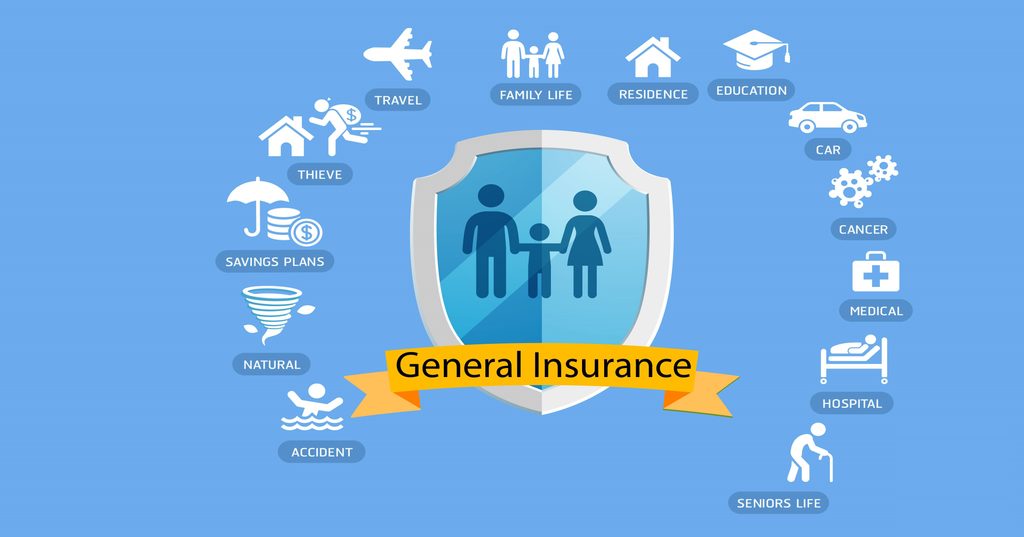
The term USA general insurance commonly refers to non-life insurance products available in the United States. These products protect people, property, vehicles, businesses, and other valuable assets against specific risks. Unlike life insurance, which primarily provides a financial benefit associated with a person’s life, general insurance generally covers financial losses arising from accidents, damage, theft, liability, illness-related expenses under applicable health policies, and other insured events.
The American insurance industry is one of the largest and most developed insurance markets in the world. It includes private insurance companies, regional insurers, national insurance providers, specialized underwriting organizations, independent insurance agencies, and government-supported insurance programs. Each serves different customer needs, offering policies with varying coverage limits, deductibles, exclusions, premiums, and conditions.
Understanding how general insurance works in the USA is important for anyone who lives, works, studies, owns property, operates a business, or plans to move to the country. Selecting the right insurance policy can help reduce financial uncertainty, meet legal requirements, protect personal belongings, and provide peace of mind.
This article explores the meaning of USA general insurance, its major types, how policies work, factors affecting insurance costs, the claims process, and practical considerations for choosing appropriate coverage.
1. What Is USA General Insurance?
USA general insurance is a broad term for insurance products that protect against risks other than the principal risk of death covered by life insurance. It is often associated with property and casualty insurance, which includes protection for vehicles, homes, commercial properties, and legal liabilities.
General insurance policies are contracts between an insurance company and a policyholder. Under the contract, the policyholder pays a premium, and the insurer agrees to provide specified financial protection when a covered event occurs, subject to the policy’s terms and conditions.
For example, a person who purchases automobile insurance may receive coverage for certain accident-related expenses. A homeowner may receive compensation for covered storm damage, while a business owner may obtain protection against certain customer injury claims.
However, insurance does not automatically cover every possible loss. Coverage depends on the policy wording, the insured event, applicable limits, deductibles, exclusions, and any legal requirements.
Key characteristics of general insurance
- Risk protection: It helps reduce the financial impact of covered unexpected events.
- Premium payments: Policyholders pay a specified amount to maintain coverage.
- Defined coverage: Each policy identifies the risks and losses it covers.
- Deductibles: Many policies require policyholders to pay a portion of a covered loss before insurance benefits apply.
- Coverage limits: Insurers generally establish maximum amounts payable under the policy.
- Exclusions: Certain events, circumstances, or types of damage may be excluded.
- Policy duration: Many general insurance policies are issued for a defined period, commonly six months or one year, although terms vary by product.
The main purpose of general insurance is to make covered financial losses more manageable rather than eliminate every risk from a person’s life or business.
2. How the General Insurance Industry Works in the USA
The US general insurance industry operates through a combination of insurance companies, licensed agents, brokers, regulators, and specialized insurance organizations.
Insurance companies evaluate risks, establish premiums, issue policies, collect payments, investigate claims, and pay eligible benefits. Agents and brokers help customers compare policies, understand coverage options, and purchase insurance.
Regulation is primarily conducted at the state level. State insurance departments generally oversee licensing, insurer conduct, market practices, and other regulatory matters within their jurisdictions. The National Association of Insurance Commissioners (NAIC) helps coordinate regulatory standards and provides resources for insurance regulators and consumers.
The exact regulatory framework depends on the type of insurance and the state involved. Some insurance programs also have significant federal involvement.
Major participants in the insurance market
Insurance companies: These organizations underwrite policies and accept specified risks in exchange for premiums.
Insurance agents: Agents represent one or more insurers, depending on their appointment and business model, and assist customers with policy purchases and servicing.
Insurance brokers: Brokers generally help customers evaluate options across insurers, subject to state licensing rules and their business arrangements.
Insurance regulators: State departments of insurance oversee many aspects of insurance activity and provide consumer assistance.
Reinsurance companies: Reinsurers provide insurance to insurance companies, helping insurers manage large or concentrated losses.
Policyholders: Individuals, households, landlords, vehicle owners, and businesses purchase coverage to protect against specified financial risks.
This system allows consumers to access insurance products for a wide range of personal and commercial needs.
3. Major Types of General Insurance in the USA
The American insurance market offers many forms of coverage. The most suitable policy depends on an individual’s circumstances, financial responsibilities, property ownership, occupation, and exposure to risk.
3.1 Automobile Insurance
Automobile insurance is one of the most important forms of personal insurance in the United States. It protects drivers against certain financial losses associated with vehicle accidents, injuries, theft, and property damage.
Most states require drivers to carry at least a minimum amount of automobile liability insurance, although specific requirements vary. Some states use different financial responsibility arrangements, so drivers should check the laws where their vehicles are registered.
NAIC
+1
Common types of automobile insurance include:
- Bodily injury liability: Helps pay for injuries to other people when the insured driver is legally responsible for an accident.
- Property damage liability: Helps pay for damage the insured driver causes to another person’s vehicle or property.
- Collision coverage: Helps pay to repair or replace the insured vehicle after a covered collision, subject to the policy terms.
- Comprehensive coverage: Helps cover certain non-collision losses, such as theft, fire, vandalism, and specified weather-related damage.
- Uninsured and underinsured motorist coverage: Provides protection in qualifying circumstances involving drivers who lack insurance or have insufficient coverage.
- Medical payments or personal injury protection: Depending on the policy and state, may cover eligible medical expenses and other specified costs resulting from an accident.
- Rental reimbursement: May help pay for a temporary replacement vehicle while the insured vehicle undergoes covered repairs.
Drivers should carefully review the distinction between liability insurance and physical damage coverage. Liability insurance primarily protects against covered claims from others, whereas collision and comprehensive coverage protect the insured vehicle against specified losses.
For example, if a driver causes an accident that damages another vehicle, liability coverage may pay the other party’s eligible repair costs. However, repairing the at-fault driver’s own vehicle generally requires applicable collision coverage or another relevant source of protection.
The cost of automobile insurance depends on several factors, including driving history, location, vehicle type, annual mileage, coverage limits, deductibles, and the insurer’s underwriting criteria. Comparing equivalent policies can help drivers find appropriate protection at a competitive price.
3.2 Homeowners Insurance
Homeowners insurance protects residential property and certain financial interests associated with owning a home. It is particularly important because a house may represent one of a family’s largest financial investments.
A typical homeowners policy may include several forms of protection:
- Dwelling coverage: Protects the insured home’s structure against covered damage.
- Other structures coverage: May cover detached garages, fences, sheds, and similar structures.
- Personal property coverage: Helps protect furniture, appliances, clothing, electronics, and other belongings.
- Personal liability coverage: Helps protect against certain claims for bodily injury or property damage for which the policyholder is legally responsible.
- Additional living expenses: May help pay eligible extra living costs when a covered loss makes the home temporarily uninhabitable.
- Medical payments coverage: May cover certain minor medical expenses for qualifying injuries to other people.
Homeowners insurance can provide substantial financial support after covered events such as fire, theft, wind damage, or other insured disasters. However, the actual protection depends on the specific policy.
An important consideration is the difference between the market value of a house and its rebuilding cost. The market value reflects the property’s value in the real estate market, including factors such as land and location. Rebuilding cost estimates the expense of reconstructing the home, including labor and materials. These amounts can differ considerably.
Mortgage lenders commonly require homeowners to maintain insurance while a mortgage is outstanding. However, homeowners should not assume that every natural disaster is covered by a standard policy. Flood damage and earthquake damage may require separate policies or specific additional coverage.
NAIC
+1
3.3 Renters Insurance
Renters insurance is designed for people who rent apartments, houses, or other residential properties.
Unlike homeowners insurance, renters insurance generally does not insure the building structure itself. The landlord typically arranges insurance for the building, while tenants are responsible for protecting their own belongings and considering their personal liability risks.
A renters insurance policy may include:
- Coverage for personal belongings damaged or lost through covered events.
- Personal liability protection for qualifying claims.
- Medical payments coverage for certain injuries to visitors.
- Additional living expenses if a covered event makes the rented home temporarily uninhabitable.
For example, a tenant whose furniture, clothing, and electronics are destroyed in a covered apartment fire may be able to claim compensation under a renters policy, subject to its limits and conditions.
Renters insurance is often worth considering even for people who do not own expensive possessions. Replacing everyday essentials, such as a bed, computer, clothing, kitchen equipment, and household furniture, can be financially difficult after a major loss.
Tenants should also understand that their landlord’s policy generally does not automatically insure their personal belongings. Renters insurance can help fill this gap.
3.4 Commercial Property Insurance
Commercial property insurance protects business-owned or insured property against specified physical losses.
Businesses depend on buildings, equipment, inventory, furniture, computers, machinery, and other assets to operate successfully. Damage to these resources can interrupt operations and create significant expenses.
Commercial property insurance may cover:
- Office buildings and commercial premises.
- Manufacturing equipment and machinery.
- Retail inventory and stored goods.
- Office furniture and electronic equipment.
- Certain fixtures and improvements.
- Covered physical losses caused by specified insured events.
The precise coverage varies by policy. Some businesses insure their own buildings, while others insure only their contents, inventory, or improvements to leased premises.
Consider a small retail shop that experiences a covered fire. Commercial property insurance may help pay for eligible damage to the building or insured contents, depending on who owns the property and what the policy covers.
Businesses should evaluate their exposure to fire, theft, severe weather, water damage, and other relevant risks. They should also assess whether policy limits are sufficient to replace inventory and equipment at current prices.
A business that holds seasonal inventory may need higher coverage during particular periods of the year. Similarly, a company that acquires expensive equipment should review its policy to ensure that the new assets are properly insured.
3.5 General Liability Insurance
General liability insurance is particularly important for businesses that interact with customers, visitors, suppliers, or members of the public.
It may provide protection against certain claims involving bodily injury, property damage, and personal or advertising injury, depending on the policy wording.
For example, a customer might slip on a wet floor in a store and claim compensation for injuries. If the business is legally responsible and the claim falls within the policy’s coverage, general liability insurance may help cover eligible legal defense costs and damages.
This type of insurance can be valuable for:
- Retail businesses.
- Restaurants and hospitality businesses.
- Contractors and construction firms.
- Offices and professional workplaces.
- Small businesses and service providers.
- Companies that lease commercial premises.
General liability insurance does not cover every business-related problem. It generally does not replace workers’ compensation, commercial auto insurance, professional liability insurance, or commercial property insurance.
Business owners should determine whether their contracts, landlords, customers, or industry regulations require particular coverage limits. They should also review exclusions and understand whether legal defense expenses reduce the available policy limit.
3.6 Workers’ Compensation Insurance
Workers’ compensation insurance is intended to provide benefits for employees who experience qualifying work-related injuries or illnesses.
Depending on the applicable state system and circumstances, benefits may include medical care, partial wage replacement, rehabilitation support, and other legally prescribed payments.
Workers’ compensation can help employees receive support after workplace accidents while providing employers with a framework for handling eligible work-related claims.
Examples of workplace incidents that may lead to a workers’ compensation claim include:
- An employee suffering an injury while operating machinery.
- A warehouse worker sustaining a back injury while performing job duties.
- A construction worker being injured after a workplace fall.
- An employee developing a qualifying work-related occupational illness.
Workers’ compensation rules differ by state. Requirements may depend on the number of employees, the type of business, the classification of workers, and applicable statutory exemptions.
Employers should verify their obligations with the relevant state authority or a qualified insurance professional. Failing to obtain required coverage can lead to penalties and significant financial exposure.
3.7 Professional Liability Insurance
Professional liability insurance, also called errors and omissions insurance in many industries, protects eligible professionals and businesses against certain claims alleging mistakes, negligence, inadequate services, or failure to perform professional duties.
This coverage is particularly relevant when clients rely on specialized knowledge, technical expertise, or professional advice.
Potential policyholders include:
- Consultants.
- Accountants.
- Technology service providers.
- Architects and engineers.
- Real estate professionals.
- Marketing agencies.
- Certain healthcare professionals.
For example, a consultant might be accused of providing inaccurate advice that caused a client financial losses. Depending on the policy and circumstances, professional liability insurance may help cover legal defense costs and eligible settlements or judgments.
Professional liability insurance differs from general liability insurance because it addresses certain claims arising from professional services rather than primarily physical injuries or property damage.
Coverage terms deserve particular attention. Some policies operate on a claims-made basis, meaning the timing of the claim and other policy requirements can affect whether coverage applies. Retroactive dates and extended reporting options may also matter.
Professionals should choose a policy appropriate to their occupation, contractual obligations, and potential financial exposure.
3.8 Umbrella Liability Insurance
Umbrella insurance provides an additional layer of liability protection above certain underlying insurance policies.
For example, a person might have automobile and homeowners liability policies with their own limits. If a covered claim exceeds an applicable underlying limit, an umbrella policy may provide additional protection when its requirements are satisfied.
Umbrella insurance can be useful for people with substantial assets, higher liability exposure, or significant financial responsibilities.
Potential benefits include:
- Additional protection against certain large liability claims.
- Greater financial security when an eligible claim exceeds underlying policy limits.
- Coverage for certain additional liability exposures, depending on the policy.
Umbrella insurance does not automatically cover every type of loss. It may require specified underlying insurance, and exclusions or self-insured retention provisions may apply.
The appropriate limit depends on the policyholder’s financial circumstances and risk exposure.
3.9 Flood Insurance
Flood insurance protects against qualifying flood-related losses that may not be covered by a standard homeowners or commercial property policy.
Flooding can occur because of heavy rainfall, overflowing rivers, coastal storm surge, rapid snowmelt, or other conditions that meet the policy’s definition of a flood.
The United States includes regions exposed to hurricanes, river flooding, flash floods, and coastal flooding. However, flood risk is not limited to coastal communities or properties located in officially designated high-risk zones.
Flood insurance options include coverage available through the National Flood Insurance Program (NFIP), administered by the Federal Emergency Management Agency (FEMA), and certain private insurers.
Coverage limits, eligibility, waiting periods, exclusions, and claim requirements vary by policy. A separate flood policy may cover specified building and contents losses, but it should not be assumed to cover every form of water damage.
Property owners should review their flood exposure before a disaster occurs. Waiting until severe weather is approaching may be too late to obtain coverage that will respond to an imminent event.
3.10 Travel Insurance
Travel insurance helps protect travelers against certain unexpected expenses associated with domestic or international trips.
Depending on the policy, coverage may include:
- Trip cancellation for specified covered reasons.
- Trip interruption.
- Emergency medical expenses while traveling.
- Emergency medical evacuation.
- Baggage loss or delay.
- Travel delays and related additional expenses.
Travel insurance can be useful when travelers have prepaid substantial trip costs or plan to visit destinations where medical care, evacuation, or unexpected accommodation expenses could be costly.
However, travelers must read the policy carefully. Not every cancellation reason is covered, and medical conditions, risky activities, destination restrictions, and other circumstances may be subject to exclusions or special conditions.
Travel insurance should also be distinguished from ordinary health insurance. A domestic health plan may provide limited or no coverage outside its normal service area or outside the United States, depending on the plan.
3.11 Marine and Inland Marine Insurance
Marine insurance is used to protect qualifying maritime interests, including vessels, cargo, and certain transportation-related risks.
Inland marine insurance generally covers certain goods, equipment, and property while being transported or while located away from a fixed business premises. Despite its name, it is not limited to water transportation.
These forms of insurance can be particularly important for businesses involved in logistics, shipping, construction, manufacturing, and the movement of valuable equipment.
For example, a company shipping products across the country may purchase cargo insurance to protect against specified losses during transit.
Coverage depends on the policy’s definitions, exclusions, transportation conditions, and insured values. Businesses should evaluate their supply chains to determine where financial losses might occur and which insurance products are appropriate.
3.12 Health Insurance: An Important Related Category
Health insurance is another major part of the American insurance system, although it is commonly treated as a separate insurance category rather than a core form of property and casualty general insurance.
Medical expenses in the United States can be substantial. Health insurance helps eligible individuals pay for covered healthcare services according to the terms of their plans.
Coverage may include:
- Doctor consultations.
- Hospital treatment.
- Emergency care.
- Prescription medicines.
- Preventive services.
- Certain diagnostic tests and specialist services.
The amount paid by an insurer depends on the plan’s network, deductible, copayments, coinsurance, out-of-pocket limits, and covered services.
Many Americans receive health insurance through employers. Others obtain coverage through individual insurance markets or government programs, depending on eligibility.
Consumers should not assume that health insurance covers every treatment or that every provider is in-network. Understanding the plan’s benefits and cost-sharing requirements is essential.
4. Understanding Insurance Premiums, Deductibles, and Coverage Limits
Before purchasing any general insurance policy in the USA, consumers should understand the financial terms that determine how much they pay and how much protection they receive.
Insurance premium
A premium is the amount paid to an insurance company to maintain an insurance policy. Depending on the insurer and product, premiums may be paid monthly, quarterly, semiannually, or annually.
Premiums vary according to the insured risk, coverage selected, location, policyholder information, and insurer’s pricing practices.
For example, two drivers with different driving histories may receive different automobile insurance quotes, even when they drive similar vehicles.
Deductible
A deductible is the amount the policyholder must generally pay toward a covered loss before the insurer pays its applicable share.
Suppose a homeowner has a covered claim for $8,000 in damage and a $1,000 deductible. If the entire loss is eligible and no other limits or adjustments apply, the insurer would generally pay $7,000.
A higher deductible often reduces the premium, but it also increases the amount the policyholder must pay out of pocket when making a claim.
Coverage limit
A coverage limit is the maximum amount an insurer will pay for a particular type of covered loss or under a specified policy provision.
For instance, a policy may provide a certain limit for property damage, personal liability, or medical expenses. Some policies also have separate limits for individual items or categories of property.
Choosing a low limit may reduce the premium but leave the policyholder responsible for substantial costs if a major claim occurs.
Exclusions and conditions
Exclusions identify losses or circumstances that are not covered by the policy. Conditions explain certain obligations and requirements that must be satisfied for coverage to apply.
Common areas requiring careful review include flood damage, intentional acts, wear and tear, business activities conducted from home, specific high-value belongings, and losses arising under unusual circumstances.
The cheapest policy is not necessarily the best policy. Consumers should compare the coverage they receive, not simply the premium they pay.
5. Factors That Affect General Insurance Costs in the USA
Insurance prices vary considerably across the United States. A policy suitable for one person may be much more expensive for another because insurance companies assess different levels of risk.
The following factors commonly influence premiums.
Location and geographical risk
Where a person lives or operates a business can significantly affect insurance costs.
Factors include local accident rates, crime levels, severe weather exposure, repair expenses, property values, and the frequency of insurance claims.
For example, a property in an area exposed to hurricanes or wildfires may face different insurance costs from a comparable property in an area with lower exposure to those hazards.
Age and personal circumstances
For certain products, an insurer may consider factors such as age, driving experience, household circumstances, or previous insurance history, subject to applicable laws.
The importance of each factor varies by insurance type and state.
Claims history
Previous claims can influence future premiums because insurers may use claims history when assessing the likelihood of additional losses.
However, the treatment of claims varies by insurer, product, state regulation, and the circumstances of each claim.
Type and value of property
The replacement cost, construction materials, age, condition, and characteristics of a property may influence its insurance premium.
For automobile insurance, the vehicle’s value, repair costs, safety features, and theft risk may be relevant.
For business insurance, the type of operations, inventory, equipment, and potential liability exposure can influence pricing.
Coverage level and deductible
Higher coverage limits generally increase premiums because the insurer may have to pay more in the event of a covered loss.
Similarly, adding optional coverages may increase the cost of a policy. Choosing a higher deductible may reduce the premium but increases the policyholder’s share of eligible losses.
Credit-based insurance information
In some states and for certain insurance products, insurers may use credit-based insurance information where legally permitted. The rules and restrictions differ across jurisdictions and insurance lines.
Consumers should check the applicable state rules rather than assume that the same rating practices are used throughout the country.
Discounts and policy packages
Some insurers offer discounts for qualifying safety features, claim-free histories, multiple policies, or other factors.
For example, a customer who purchases automobile and homeowners insurance from the same insurer may qualify for a multi-policy discount. Eligibility and savings vary.
It is important to compare the total price and coverage after discounts, because a discount does not automatically make a policy more competitive.
6. How to Choose the Best General Insurance Policy in the USA
Selecting the right insurance policy requires a clear understanding of potential risks and financial responsibilities.
Step 1: Identify your risks
Begin by identifying the assets, activities, and responsibilities that need protection.
A vehicle owner may prioritize automobile insurance. A homeowner may focus on property and liability coverage. A business owner may need commercial property, general liability, workers’ compensation, or professional liability insurance.
The goal is to identify the risks that could create serious financial difficulties if they occurred unexpectedly.
Step 2: Determine the appropriate coverage
Once the risks are identified, determine which types of insurance address them.
Do not purchase a policy based only on its name. Review its specific coverage provisions, limitations, and exclusions.
For example, a standard homeowners policy should not automatically be assumed to cover flood damage. If flooding is a significant risk, investigate appropriate flood insurance separately.
Step 3: Compare multiple insurers
Obtain quotes from several licensed insurance companies or qualified insurance agents.
When comparing quotes, use the same basic coverage limits, deductibles, and optional protections wherever possible. Otherwise, a cheaper quote may simply provide less coverage.
Consider the following factors:
- Premium affordability.
- Coverage limits.
- Deductible amounts.
- Exclusions and limitations.
- Claims reporting options.
- Customer support.
- Financial strength information.
- Complaint information available from regulators.
- Discounts and renewal conditions.
Step 4: Check the insurer’s licensing
Before purchasing insurance, verify that the insurer is authorized to provide the relevant coverage in the state where the policy will be issued.
State insurance departments can help consumers check licensing information, access educational resources, and understand complaint procedures.
The NAIC also provides consumer information and links to state insurance departments.
NAIC Content
+1
Step 5: Read the policy documents
Read the declarations page, coverage provisions, exclusions, endorsements, and other relevant documents.
The declarations page generally summarizes essential details, including the insured person or property, policy period, selected coverages, limits, and deductibles.
Ask the insurer or agent to explain any unfamiliar terminology before signing the agreement.
Step 6: Review the policy regularly
Insurance requirements can change over time.
Buying a new vehicle, renovating a home, acquiring business equipment, hiring employees, or purchasing valuable possessions may require changes to existing coverage.
Reviewing insurance annually can help ensure that protection remains appropriate as circumstances change.
7. The General Insurance Claims Process in the USA
An insurance claim is a request for benefits or payment under an insurance policy after a covered event occurs.
The claims process varies according to the insurance product, the insurer, the circumstances of the loss, and the state involved. Nevertheless, many claims follow a similar sequence.
Step 1: Report the incident
Notify the insurance company promptly using its claims telephone number, website, mobile application, or agent. Follow any reporting deadlines in the policy.
Step 2: Collect supporting documents
Gather relevant receipts, repair estimates, invoices, photographs, videos, police reports where applicable, and other evidence of the incident and loss.
Step 3: Investigation and assessment
The insurer reviews the circumstances, policy terms, evidence, and amount of the claimed loss. An adjuster may inspect the damaged property or request additional information.
Step 4: Coverage determination
The insurer determines whether the claim qualifies for coverage and calculates the amount payable under the policy, subject to deductibles, limits, and applicable conditions.
Step 5: Payment or explanation of the decision
If approved, payment is made according to the policy and applicable claims procedures. If the claim is denied or partially paid, review the insurer’s written explanation and any available appeal or complaint options.
Policyholders should keep copies of all correspondence, claim numbers, estimates, receipts, and decisions. Maintaining organized records can make it easier to resolve questions or disputes.
If an insurer does not resolve a complaint satisfactorily, the policyholder may contact the relevant state department of insurance to learn about available assistance.
8. Benefits of General Insurance in the USA
General insurance offers several important benefits to individuals, families, and businesses.
Financial protection
One of the most significant benefits is the ability to reduce the financial burden of covered losses. Without appropriate insurance, a serious accident or property disaster may require substantial personal savings or borrowing.
Protection of valuable assets
Insurance can help protect vehicles, homes, business equipment, inventory, and other assets against specified risks.
Liability protection
Liability coverage may help pay eligible legal defense expenses, settlements, or judgments arising from covered claims.
This protection can be particularly important when an accident results in serious injuries or substantial property damage.
Business continuity
Commercial insurance can help businesses recover from covered losses and protect against certain operational and financial risks.
Depending on the coverage, business interruption insurance may help replace certain lost income or pay eligible continuing expenses when operations are disrupted by a covered event.
Contractual and legal compliance
Some forms of insurance are required by law, while others may be required by mortgage lenders, landlords, business contracts, or financing agreements.
Maintaining the appropriate coverage can help individuals and businesses meet these obligations.
Greater financial confidence
Knowing that certain risks are insured can make it easier for people to plan their finances, manage property, and operate businesses.
Insurance cannot eliminate uncertainty, but it can make some unexpected financial losses more manageable.
9. Challenges and Limitations of General Insurance
Despite its benefits, insurance has limitations that consumers should understand before purchasing a policy.
Rising premiums
Insurance premiums can rise because of increasing repair costs, construction expenses, medical costs, severe weather losses, litigation expenses, and other changes in the risk environment.
Consumers may find that a policy becomes more expensive at renewal even when they have not made a claim.
Coverage exclusions
Some losses are not covered under standard policies. A policyholder who does not understand the exclusions may discover that a major expense is not eligible for reimbursement.
Deductibles and out-of-pocket expenses
Insurance generally does not mean that every expense will be paid in full. Deductibles, copayments, coinsurance, depreciation, and coverage limits may leave the policyholder responsible for part of the loss.
Complex policy language
Insurance contracts can contain specialized terminology and detailed conditions. Consumers may struggle to understand the practical difference between similar products.
Taking time to review the policy and asking questions can reduce misunderstandings.
Claims disagreements
Disputes may arise over the cause of damage, the value of property, the scope of repairs, liability, or whether a particular event is covered.
Keeping evidence and understanding the policy’s complaint and appeal procedures can help policyholders address these problems.
Availability and affordability
Some insurers restrict coverage or charge higher premiums in areas with elevated risks. In certain locations, consumers may need to compare standard insurance, specialty insurers, state-supported arrangements, or other eligible coverage options.
The availability of such options varies by state and type of insurance.
10. The Role of Technology in American General Insurance
Technology is changing how insurance companies evaluate risks, sell policies, communicate with customers, and process claims.
Online insurance purchasing
Many insurers allow consumers to request quotes, compare coverage, purchase policies, make payments, and access documents online.
Digital tools can make insurance more convenient, although customers should still review policy terms carefully before buying.
Mobile applications
Insurance applications may allow customers to access digital insurance cards, report accidents, upload documents, track claims, and communicate with representatives.
These tools can improve convenience, particularly when a policyholder needs to report an incident quickly.
Artificial intelligence and data analysis
Insurers increasingly use data analysis and automated systems to support underwriting, fraud detection, customer service, and claims processing.
The specific methods and data used vary by insurer and product. Consumers should understand relevant privacy notices and applicable rules governing insurance data.
Telematics and usage-based automobile insurance
Some automobile insurers offer programs that assess driving patterns or mileage using mobile applications or vehicle-connected devices.
Depending on the program, factors such as mileage, braking patterns, time of travel, or driving behavior may influence the premium or discount.
Consumers should review how data is collected and used before enrolling.
Digital claims processing
Photographs, online forms, remote inspections, and electronic payments can simplify certain claims. However, complex claims may still require detailed investigation, professional inspections, or additional documentation.
Technology can improve efficiency, but it does not remove the need to understand the insurance contract or verify the insurer’s decision.
11. How General Insurance Supports Individuals and Businesses
General insurance has a broader economic role than simply reimbursing policyholders for individual losses.
For households, insurance can help protect savings and reduce the risk that a major accident or property loss will create long-term financial hardship.
For businesses, insurance can make it easier to manage uncertain expenses, satisfy contractual requirements, and continue operations following certain covered events.
Insurance also supports economic activity by enabling individuals and organizations to undertake activities while managing specified risks.
For example, a company may be more willing to invest in equipment when it has suitable property insurance. A contractor may be able to enter commercial agreements because it carries the liability coverage required by its clients. A household may be better positioned to recover from a covered vehicle accident when it has appropriate automobile insurance.
Insurers also work with reinsurers to distribute certain risks across a wider financial system. This can help insurers manage large losses, although insurance and reinsurance cannot eliminate all systemic or catastrophic risks.
The broader value of insurance depends on responsible underwriting, appropriate pricing, clear policy terms, reliable claims handling, effective regulation, and informed consumers.
12. Important Insurance Regulations in the United States
The regulatory structure of the US insurance market differs from that of many countries because state authorities play a central role.
Each state has its own insurance department, and the District of Columbia and US territories also have insurance regulatory authorities. These organizations oversee many aspects of insurance activity within their jurisdictions.
Their responsibilities may include:
- Licensing insurers and insurance professionals.
- Reviewing certain insurance rates and policy forms.
- Monitoring insurer financial condition.
- Investigating consumer complaints.
- Enforcing applicable insurance laws.
- Providing educational resources and consumer assistance.
The National Association of Insurance Commissioners coordinates among state insurance regulators and develops model laws, guidance, and other resources. A model law does not automatically become binding everywhere; adoption and implementation depend on the relevant jurisdiction.
Federal law also affects certain insurance programs and issues. For example, FEMA administers the National Flood Insurance Program, and federal legislation influences parts of the health insurance system.
Consumers should verify the requirements that apply to their state, insurance product, and individual circumstances rather than assume that all insurance rules are identical nationwide.
For reliable information, visit the National Association of Insurance Commissioners (NAIC) or consult the official insurance department for the state concerned.
13. Tips for Saving Money on General Insurance
Insurance can represent a significant household or business expense, but consumers can take practical steps to seek better value without sacrificing essential protection.
1. Compare multiple quotes. Request quotes from different licensed insurers using equivalent coverage limits and deductibles.
2. Review deductibles carefully. A higher deductible may reduce the premium, but choose an amount you could reasonably afford after a loss.
3. Ask about discounts. Check whether you qualify for multi-policy, safety-device, claim-free, or other applicable discounts.
4. Maintain accurate information. Ensure that your application reflects the correct property details, vehicle use, business activities, and other relevant information.
5. Review coverage annually. Remove unnecessary duplicate protection where appropriate, but avoid reducing important coverage simply to obtain a lower price.
6. Improve risk prevention. Depending on the policy, security systems, smoke alarms, maintenance, safe driving, and workplace safety measures may reduce risk and could qualify for discounts.
7. Keep an inventory of valuable possessions. Records, receipts, and serial numbers can help establish ownership and support a claim.
8. Understand renewal terms. Review any changes to premiums, limits, deductibles, exclusions, and endorsements before renewing.
9. Check the insurer’s service record. Consider claims handling, complaint information, and financial strength rather than focusing exclusively on price.
10. Avoid coverage gaps. Ensure replacement coverage begins when needed, particularly when changing insurers or purchasing a new property or vehicle.
The most effective way to save money is to find coverage that matches your actual risks and budget, rather than choosing the lowest premium regardless of protection.
14. General Insurance for New Residents and International Visitors
People moving to the United States may need to arrange several types of insurance, depending on their living situation and activities.
A new resident who purchases a car will generally need to satisfy the applicable automobile insurance and financial responsibility requirements. Someone renting an apartment may wish to purchase renters insurance. A person purchasing a house may need homeowners insurance, particularly if obtaining a mortgage.
International visitors should pay particular attention to travel medical insurance and emergency medical coverage. Their existing insurance from another country may not provide sufficient protection for medical expenses incurred in the United States.
International students, temporary workers, and other noncitizens should check the insurance requirements associated with their educational institution, employer, visa-related circumstances where applicable, and state of residence.
The correct policy depends on the individual’s status, location, assets, and intended activities. There is no single general insurance package that automatically meets every person’s needs.
15. The Future of General Insurance in the USA
The American general insurance market will continue to evolve as economic conditions, technology, climate risks, consumer expectations, and regulatory requirements change.
One important challenge is the increasing financial impact of severe weather events in some regions. Insurers must evaluate changing hazard exposure, rebuilding costs, and the concentration of insured property.
Another area of development is the use of technology in underwriting and claims management. Digital services, automated assessments, telematics, and data analytics may improve efficiency while raising questions about privacy, transparency, fairness, and oversight.
Cybersecurity is also increasingly important. Businesses face risks associated with data breaches, ransomware, system outages, and the theft of sensitive information. Cyber insurance has developed as a specialized product to address certain financial losses and liabilities associated with covered cyber incidents.
At the same time, insurers must balance affordability with the need to collect sufficient premiums to pay claims and maintain financial stability.
Consumers will continue to benefit from understanding policy terms, comparing coverage, managing risks, and keeping their insurance arrangements up to date.
Frequently Asked Questions About USA General Insurance
1. What is USA general insurance?
USA general insurance is a broad term for non-life insurance products that protect against specified financial losses involving vehicles, property, legal liabilities, businesses, and other risks.
2. What are the main types of general insurance in the USA?
Major categories include automobile insurance, homeowners insurance, renters insurance, commercial property insurance, general liability insurance, workers’ compensation, professional liability, umbrella liability, flood insurance, and marine insurance.
Health insurance and travel insurance are also important parts of the broader insurance market, although they are often classified separately from traditional property and casualty insurance.
3. Is general insurance mandatory in the USA?
Some types of insurance are legally required in particular circumstances. For example, most states require drivers to maintain specified automobile insurance or satisfy applicable financial responsibility requirements.
Other coverage may be required by mortgage lenders, landlords, employers, contracts, or state laws. Many other forms of insurance are optional.
4. How much does general insurance cost in the USA?
There is no single price for general insurance. Costs depend on the type of policy, location, insured assets, coverage limits, deductibles, claims history, and other applicable rating factors.
The best approach is to request quotes from multiple insurers and compare equivalent coverage.
5. How can I find a reliable insurance company?
Check whether the insurer is licensed in the relevant state. Compare coverage, claims procedures, complaint information, customer service, and available financial strength assessments. A low premium alone does not establish that an insurer is the best choice.
6. What is the difference between general insurance and life insurance?
General insurance primarily covers specified non-life risks, such as automobile accidents, property damage, and liability claims. Life insurance generally provides a death benefit or other life-related benefits according to the contract.
The products serve different purposes and may complement one another in an individual’s financial plan.
7. Can I purchase general insurance online?
Yes. Many US insurers allow customers to obtain quotes and purchase eligible policies online. Consumers should verify the insurer’s licensing, review the policy documents, and confirm the coverage before completing the purchase.
8. What should I do if my insurance claim is denied?
Read the denial letter and the policy provisions cited by the insurer. Gather relevant supporting documents, request clarification, and follow the insurer’s review or appeal procedures. If the issue remains unresolved, contact the appropriate state insurance department to ask about complaint options.
9. Does general insurance cover natural disasters?
Coverage depends on the policy and the specific event. Some homeowners policies cover certain fire and wind losses, while flood and earthquake damage may require separate insurance or additional coverage. Always verify the applicable policy terms.
10. How often should I review my insurance policies?
Review your policies at least annually and whenever a major change occurs, such as purchasing a home or vehicle, renovating property, starting a business, or acquiring valuable assets.
Conclusion
USA general insurance is an important part of the country’s financial protection system. It helps individuals, families, property owners, drivers, professionals, and businesses manage the financial consequences of specified unexpected events.
The American insurance market provides a wide range of products, including automobile, homeowners, renters, commercial property, liability, workers’ compensation, flood, and other specialized insurance policies. Each product addresses different risks, and the appropriate coverage depends on personal circumstances, legal requirements, financial responsibilities, and the potential cost of a loss.
Choosing suitable insurance involves more than finding the lowest premium. Consumers should understand deductibles, coverage limits, exclusions, policy conditions, claims procedures, and the insurer’s regulatory standing. Comparing equivalent policies and reviewing coverage regularly can help ensure that protection remains appropriate over time.
Although insurance cannot prevent every accident or eliminate every financial risk, it can provide meaningful support when a covered loss occurs. By making informed decisions and maintaining suitable protection, individuals and businesses in the United States can strengthen their financial resilience and prepare more effectively for an uncertain future.
Ultimately, the purpose of general insurance is to help people and organizations manage risk, protect valuable assets, and recover financially from covered losses. Understanding the available options is the first step toward choosing insurance that offers practical protection and long-term value.
Disclaimer: This article is intended for general educational purposes. Insurance coverage, premiums, legal requirements, and policy conditions vary by state, insurer, and product. Consult the relevant insurance department or a licensed insurance professional for guidance specific to your circumstances.